
Printing · Comparison 2026
Screen printing vs DTF vs DTG: which print method should you choose?
Screen printing, DTF, DTG, heat transfer vinyl and sublimation all put a design on a T-shirt, but they differ hugely in set-up, cost per piece, fabric and durability. This comparison helps you pick the right one for your quantity and design.
It mostly comes down to quantity. For 1 to approx. 30 pieces DTF (full colour, almost any fabric) or heat transfer vinyl (names, numbers, 1 to 2 colours) is the most practical. DTG suits photos on single 100 % cotton tees. From approx. 30 to 50 pieces per design screen printing pays off, because set-up per colour is spread over the run, and it is very durable. Sublimation only works on light polyester.
Matching products
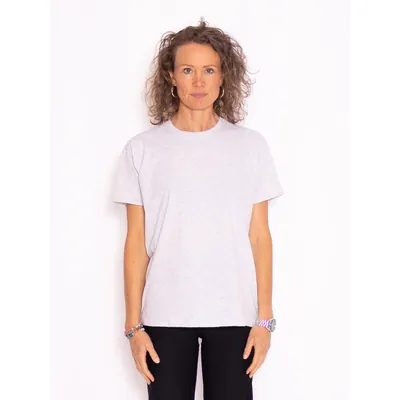 Fruit of the Loom T-ShirtUnisex, cotton, XS to XXXL€6.95from 5 pcs €6.26 eachDelivery to Ireland & EU €7.00 · 2-3 working daysView deal-10 % from 5 pcs
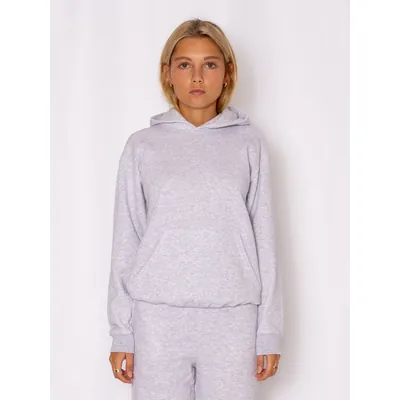 Fruit of the Loom HoodieHooded sweatshirt for print and embroidery€20.95from 5 pcs €18.86 eachDelivery to Ireland & EU €7.00 · 2-3 working daysView deal-10 % from 5 pcs
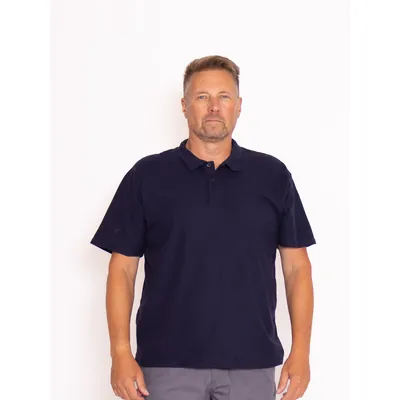 Fruit of the Loom Polo ShirtCollared polo, great for embroidery€10.95from 5 pcs €9.86 eachDelivery to Ireland & EU €7.00 · 2-3 working daysView deal
Which T-shirt print methods are there?
Five methods cover almost every printed T-shirt you will see, with embroidery as a sixth option for logos:
- Screen printing: ink is pushed through a fine mesh screen, one screen per colour.
- DTF (direct to film): the design is printed on film, coated with adhesive powder and heat pressed onto the shirt.
- DTG (direct to garment): an inkjet printer prints straight onto the fabric.
- Heat transfer vinyl (HTV): coloured film is cut with a cutting plotter and pressed on.
- Sublimation: ink turns into gas under heat and bonds with polyester fibres.
How do the methods compare?
| Method | Worth it from | Colours | Fabric | Durability |
|---|---|---|---|---|
| Screen printing | approx. 30 to 50 pcs per design | Best with 1 to 4 spot colours | Cotton, blends | Very high |
| DTF | 1 piece | Unlimited, photos | Cotton, polyester, blends | High |
| DTG | 1 piece | Unlimited, photos | Best on 100 % cotton | Good |
| Vinyl (HTV) | 1 piece | 1 to 2 per design | Cotton, polyester, blends | High |
| Sublimation | 1 piece | Unlimited, all-over | Light polyester only | Very high |
| Embroidery | Small runs and up | Several thread colours | Heavier fabrics | Very high |
Prices vary a lot between printers, so always ask for a total price including set-up, film or screens and delivery.
When is screen printing worth it?
Screen printing needs a screen and set-up for each colour, which makes the first shirt expensive and every further shirt cheap. As a rule of thumb it pays off from approx. 30 to 50 pieces per design, especially with 1 to 4 solid colours.
The result is very durable and has a smooth, slightly raised feel. It is the standard for club shirts, school leavers' tops, band merch and company events. Dense, mid to heavy cotton tees print best, see heavy cotton T-shirts.
When is DTF the better choice?
DTF shines for small runs from 1 piece and colourful designs. There is no screen set-up, gradients and photos are no problem and it works on cotton, polyester and blends, light or dark.
- Good for: one-offs, 5 to 30 shirts, mixed garment types in one order.
- Handy: transfers can be ordered ready-made and pressed at home with a heat press.
- Watch out: large solid areas feel like a thin layer on the fabric.
What about DTG, vinyl and sublimation?
DTG is ideal for detailed designs and photos on single shirts. It needs 100 % cotton for the best result, and dark shirts must be pretreated so colours stay bright.
Heat transfer vinyl is the go-to for names and numbers on sports shirts and personalised tees. Cut the design mirrored, weed it and press at approx. 150 to 160 °C for 10 to 15 seconds, always following the manufacturer.
Sublimation gives brilliant, permanent all-over prints, but only on light polyester. On cotton the design fades quickly, so it is not an option for cotton blanks.
Which method should you choose for your project?
- 1 to 5 shirts, colourful design: DTF or DTG on cotton.
- Names or numbers on every shirt: vinyl, often combined with a screen printed or DTF main design.
- 30 to 50 or more shirts, same design, few colours: screen printing.
- Sports tops in polyester: sublimation.
- Logo on polos or hoodies: embroidery.
Mixed approaches are common. A club might screen print 60 identical shirts and add each player's name and number with vinyl. A small brand might start with DTF for the first 20 pieces and switch to screen printing once a design sells well. The blank stays the same, only the method changes.
Before you commit, ask for a sample or print a test shirt yourself. Check how the print feels, how it looks after two or three washes and whether the colours match your artwork. It is much cheaper to change method after one test than after a full run.
Whatever you choose, care decides how long it lasts: wait approx. 24 hours, wash inside out at 30 to 40 °C, no fabric softener and avoid the tumble dryer.
Where can you get the blanks?
Many printers let you supply your own blanks. At Marmalade Co. plain Fruit of the Loom tees cost €6.95, €6.26 each from 5 pieces, hoodies €20.95 (€18.86 from 5) and polos €10.95. The shop sells blanks only, with no printing service. DHL delivery costs €7 to Ireland, Austria, Belgium, Finland, France, Germany, Italy, the Netherlands, Poland, Portugal and Spain; the United Kingdom is not currently served. Tips on choosing blanks are in blank T-shirts for printing.
| Product | 1 pcs | 10 pcs | 50 pcs | 100 pcs | 250 pcs |
|---|---|---|---|---|---|
| T-Shirt | €13.95€13.95 each | €69.55€6.96 each | €319.75€6.40 each | €632.50€6.33 each | €1,570.75€6.28 each |
| Hoodie | €27.95€27.95 each | €195.55€19.56 each | €949.75€19.00 each | €1,892.50€18.93 each | €4,720.75€18.88 each |
| Polo Shirt | €17.95€17.95 each | €105.55€10.56 each | €499.75€10.00 each | €992.50€9.93 each | €2,470.75€9.88 each |
Blank tees, hoodies and polos from 1 piece, 10 % off from 5. Delivered to Ireland and the EU.
View blanks →